"Female genital mutilation is a severe violation of girls' rights and critically endangers their health," said Dr Pascale Allotey, WHO's Director for Sexual and Reproductive Health and Research. Typically carried out on young girls before they reach puberty, FGM includes all procedures that remove or injure parts of the female genitalia for non-medical reasons. Evidence shows that no matter who performs FGM, it causes harm.
Some studies suggest it can even be more dangerous when performed by health workers, since it can result in deeper, more severe cuts. Its "medicalisation" also risks unintentionally legitimising the practice and may thereby jeopardise broader efforts to abandon it. For these reasons, WHO's guideline recommends professional codes of conduct that expressly prohibit health workers from performing FGM.
Recognising their respected role within communities, the WHO guideline emphasises the need to positively engage and train health workers for prevention. Sensitive communication approaches can help health workers effectively decline requests to perform FGM, while informing people about its serious immediate and long-term risks.
"Research shows that health workers can be influential opinion leaders in changing attitudes on FGM, and play a crucial role in its prevention." — Christina Pallitto, WHO Scientist
Alongside effective laws and policies, the guideline highlights the need for community education and information. Community awareness-raising activities that involve men and boys can be effective in increasing knowledge about FGM, promoting girls' rights, and supporting attitudinal changes.
About 140 million girls around the world are living with the consequences of FGM. Kenya has banned the practice but it remains prevalent in some communities. Reuters photographer Siegfried Modola gained rare access to a ceremony among the Pokot tribe.
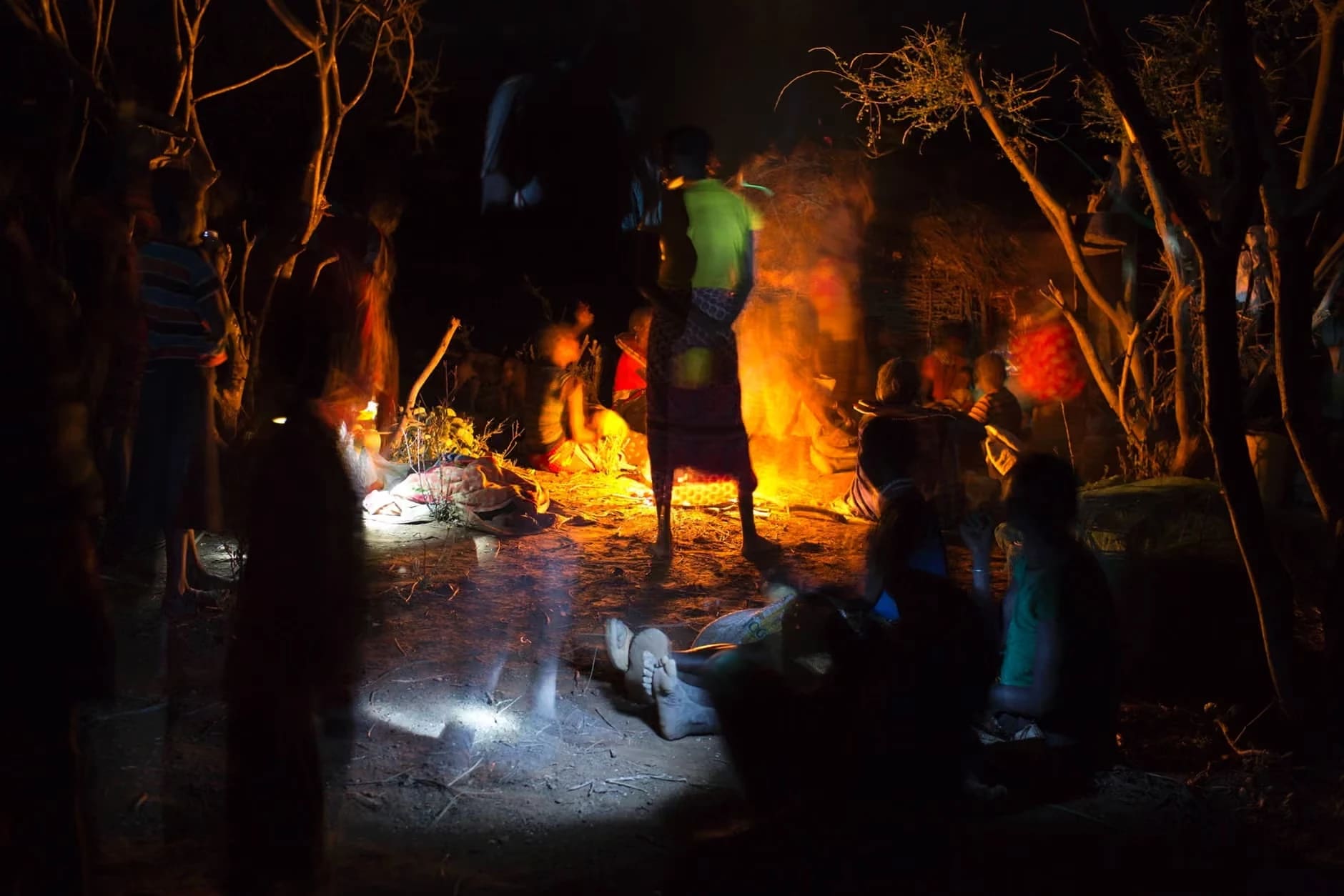
1. The Gathering
Members of the Pokot tribe gather round a fire the evening before the ceremony.
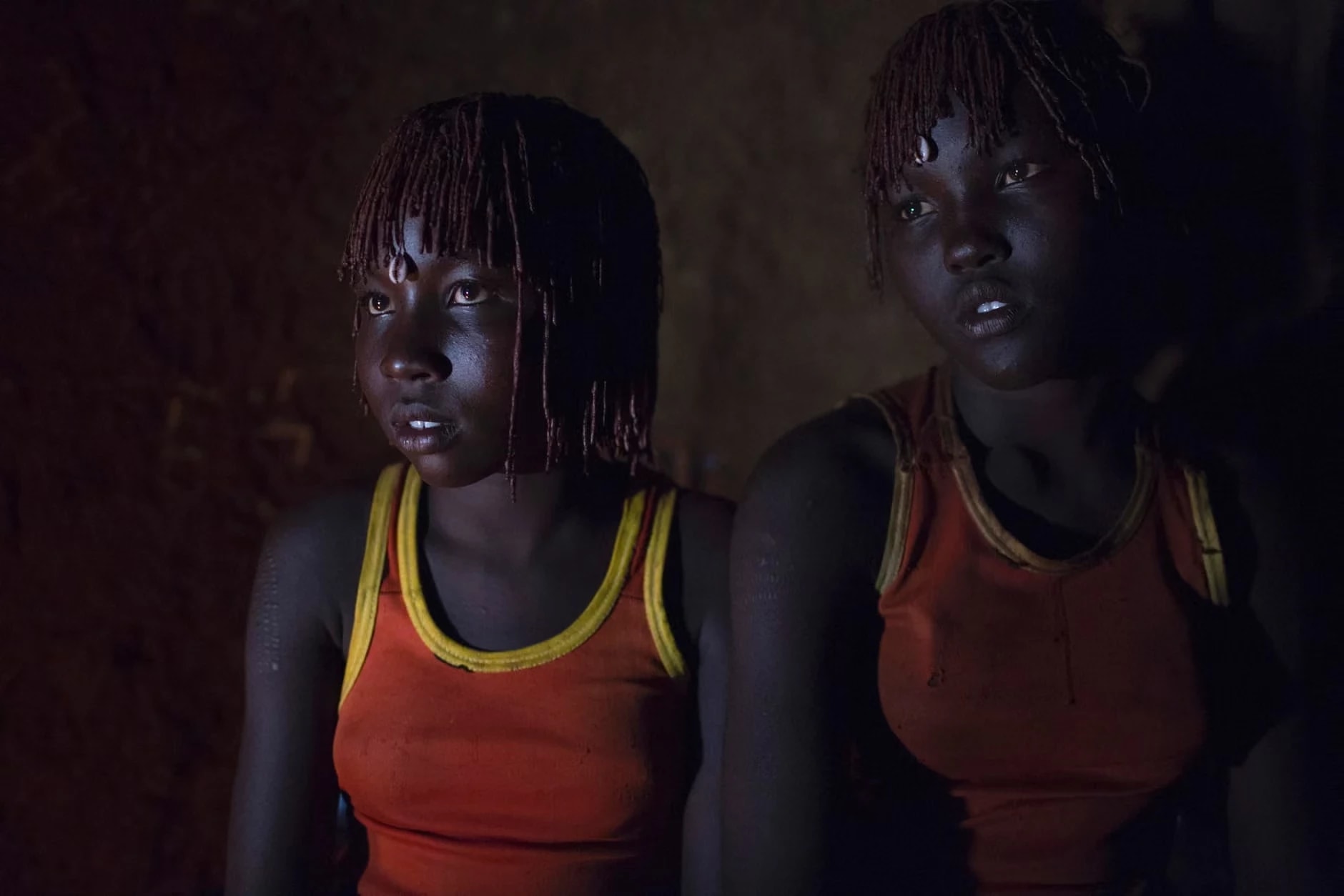
2. Community Norm
FGM is still integral to some communities where girls who don't get cut risk facing stigma and alienation.
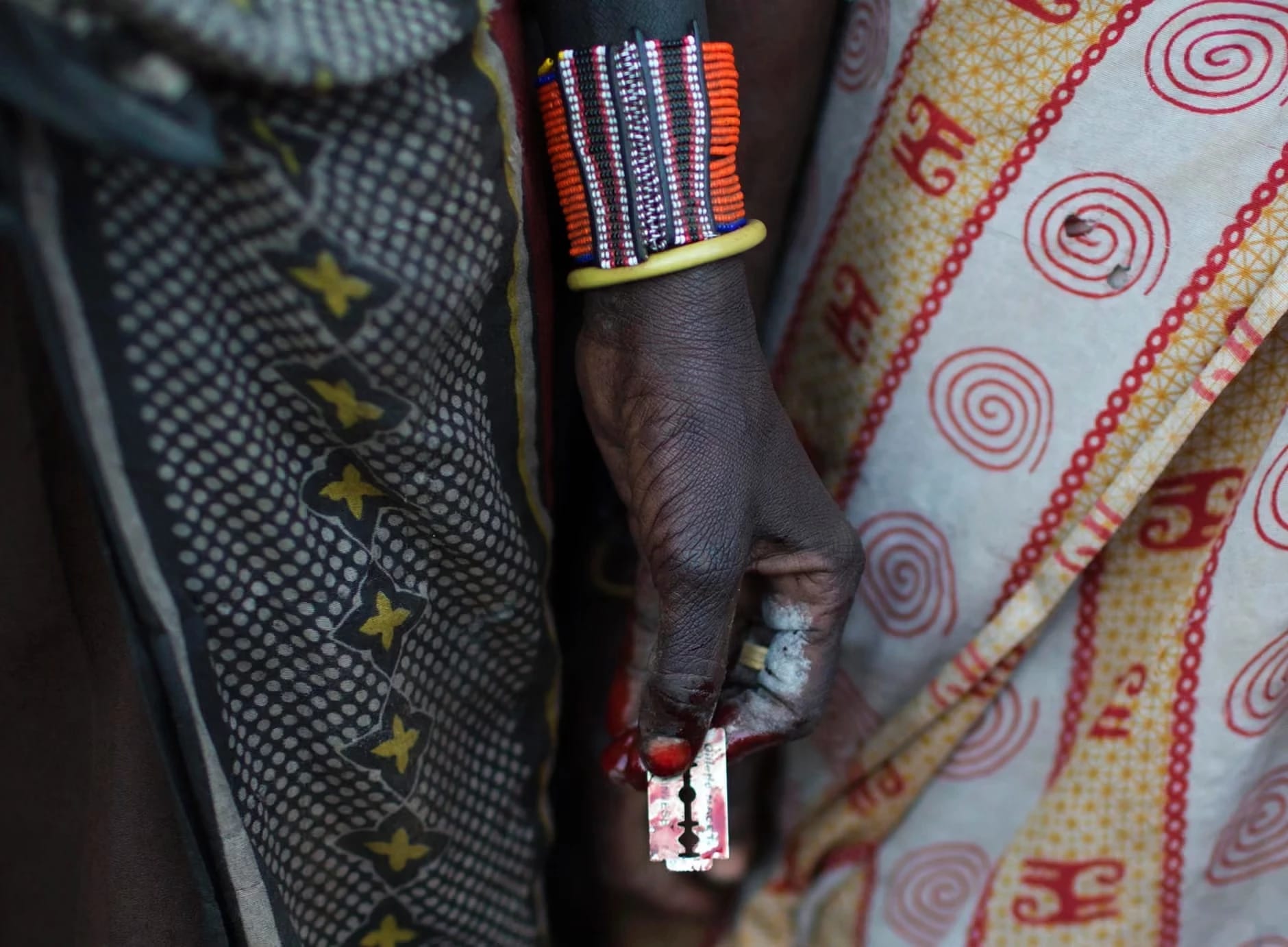
3. Harmful Practice
Girls who undergo FGM are at heightened risk of infection, prolonged bleeding and infertility.
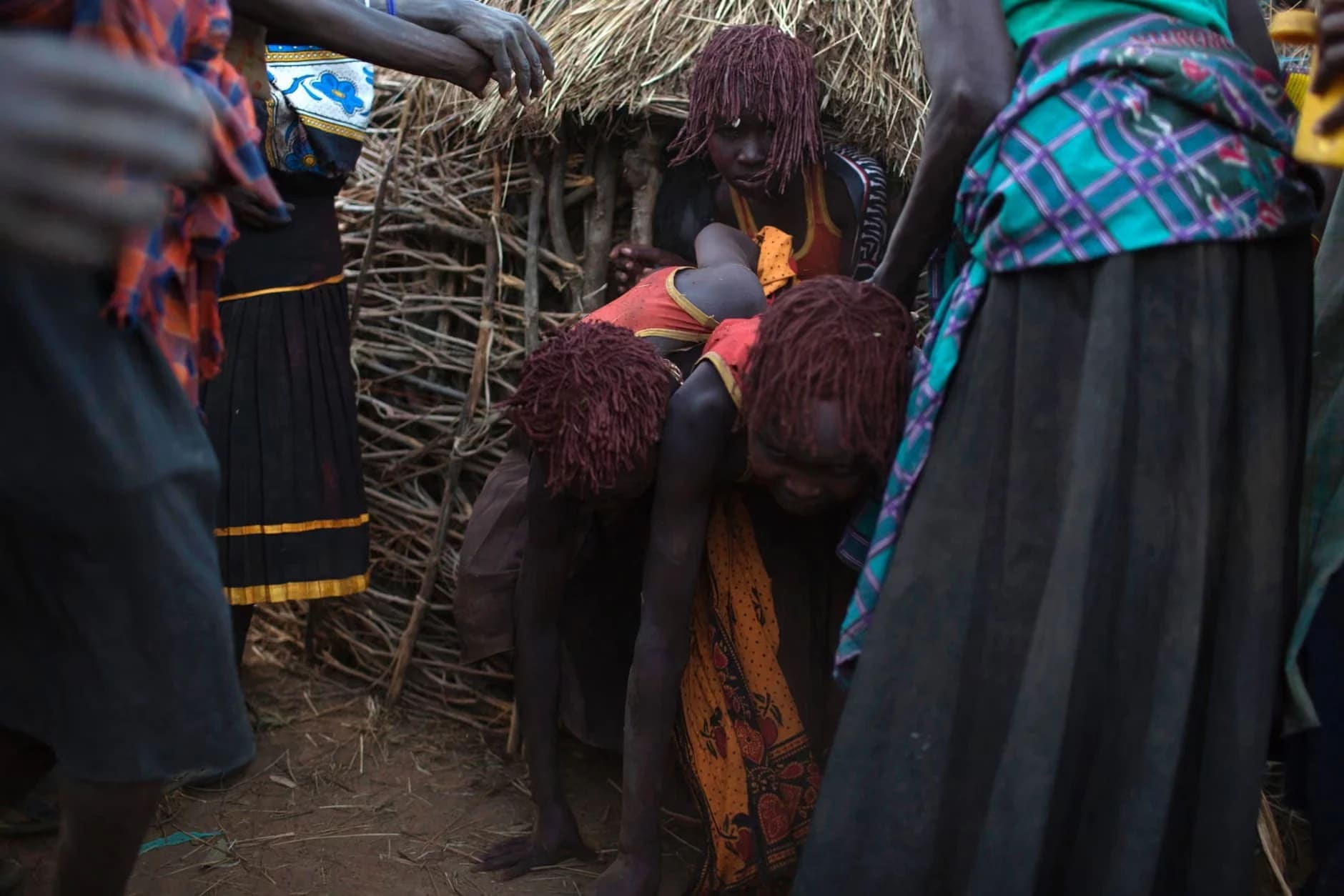
4. The Night Before
The girls wait together the night before they will be subject to the procedure.
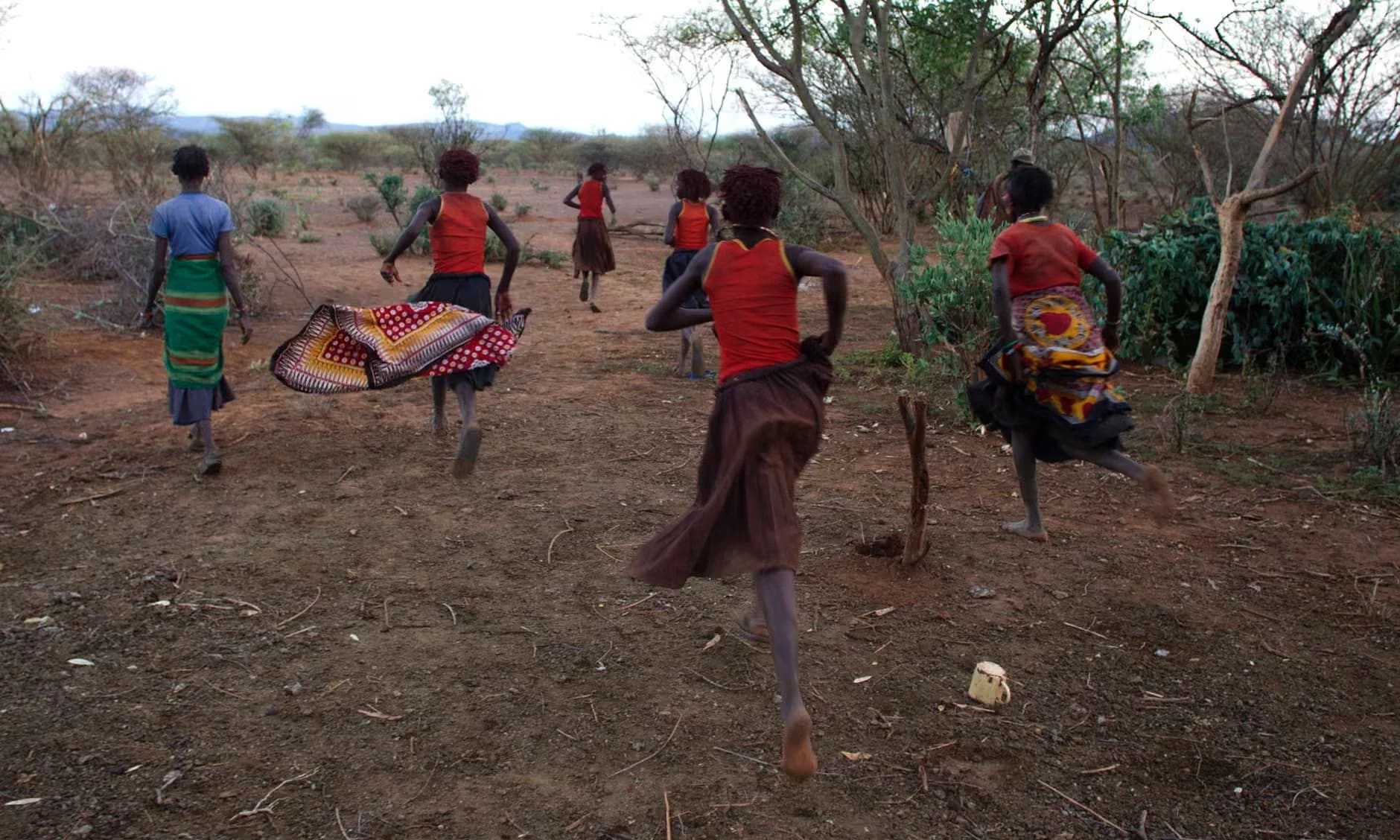
5. Departure
The girls leave their homes and make their way to the ceremony location.
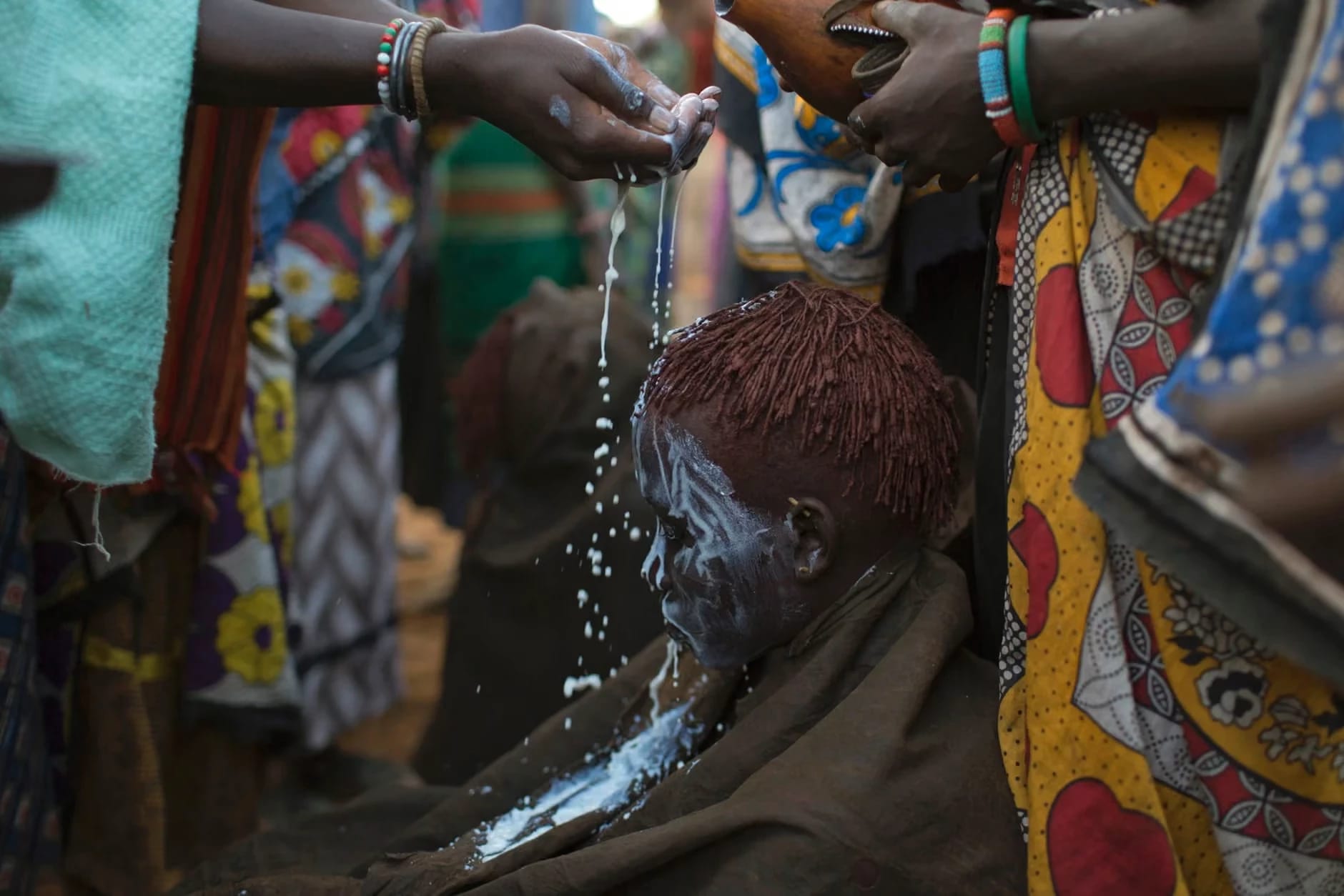
6. The Day of Ceremony
A recent crackdown means parents are taking daughters to more remote regions to undergo FGM.
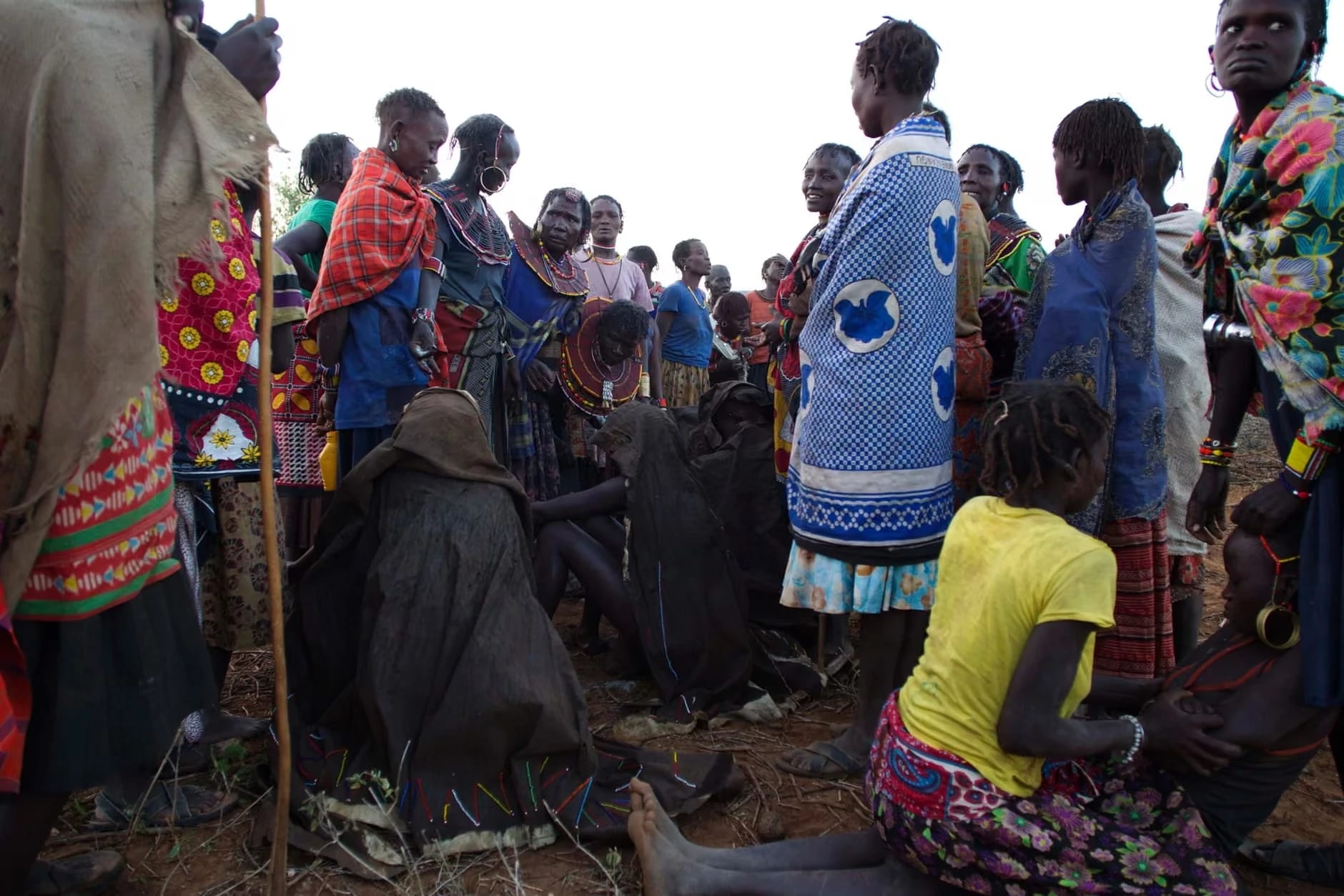
7. After the Procedure
Covered in animal skins, the girls squat on rocks and wait in the aftermath.
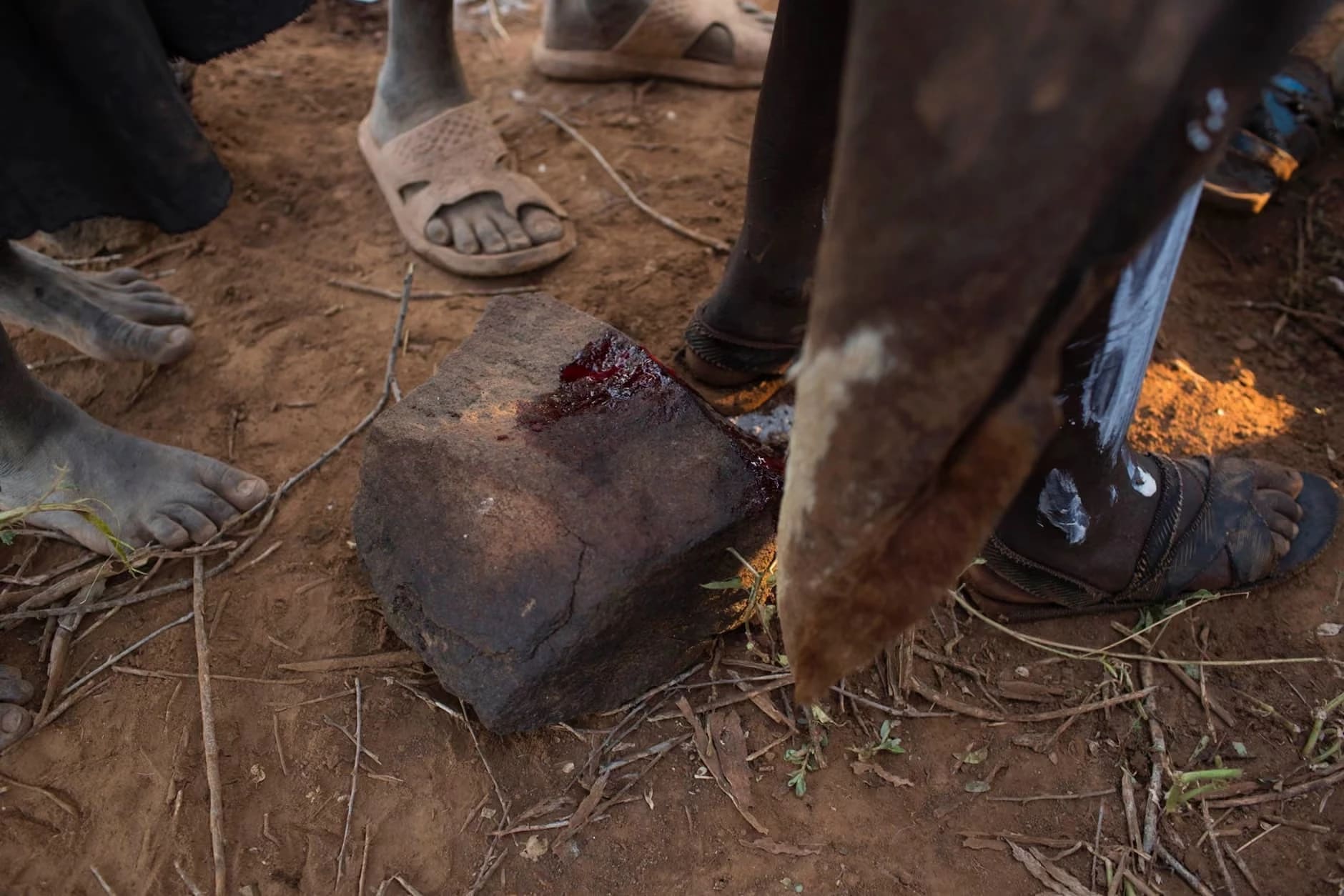
8. The Cost
The immediate physical consequences are severe and long-lasting — with ripple effects across a lifetime.
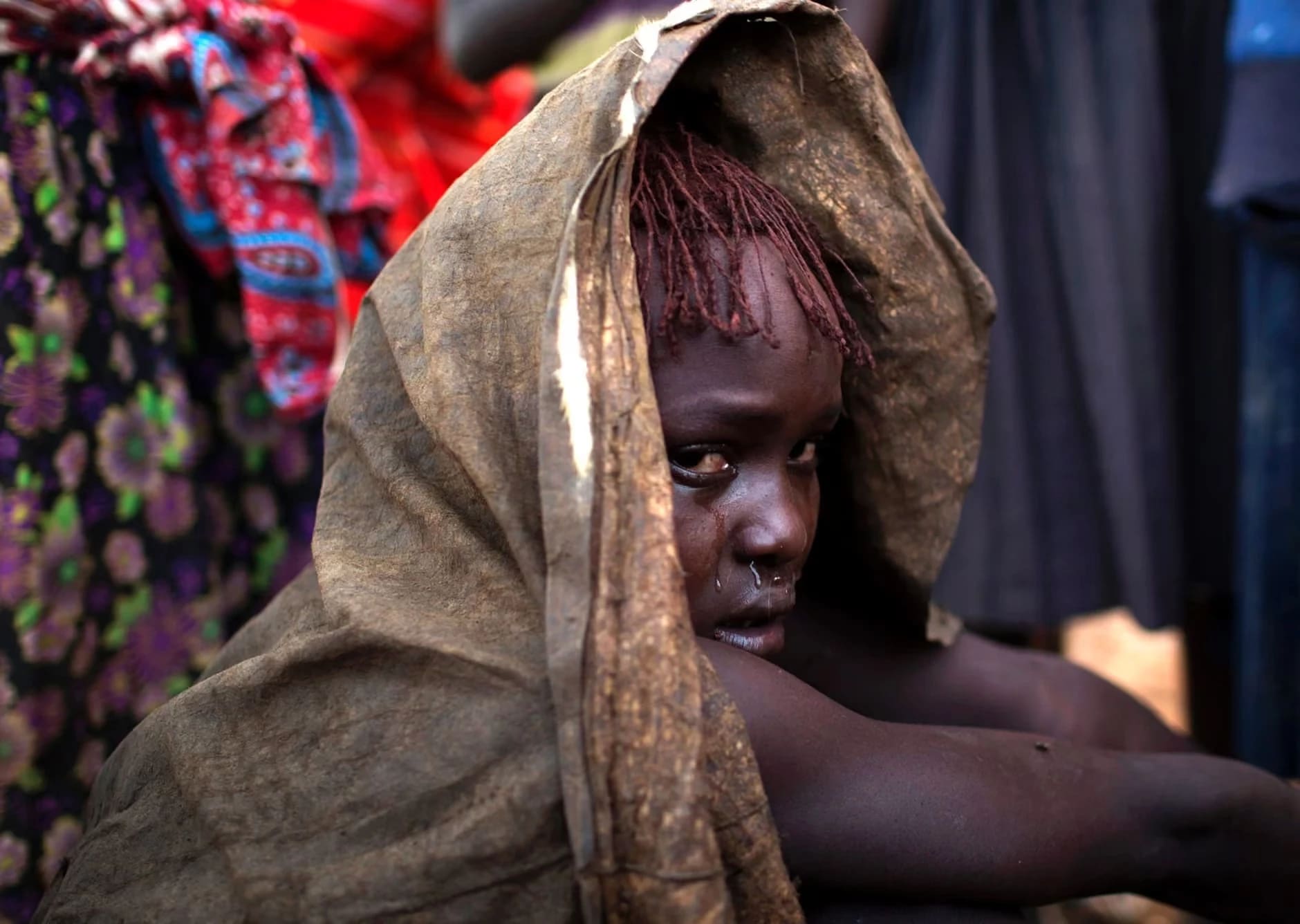
9. Persistent Traditions
FGM remains integral to some communities where girls who aren't cut risk stigma and alienation.
In 2026 alone, an estimated 4.5 million girls — many under the age of five — are at risk of undergoing female genital mutilation. Currently, more than 230 million girls and women are living with its lifelong consequences. We reaffirm our commitment to end female genital mutilation for every girl and every woman at risk, and to continue working to ensure those subjected to this harmful practice have access to quality and appropriate services.
Female genital mutilation is a violation of human rights and cannot be justified on any grounds. It compromises girls and women's physical and mental health and can lead to serious, lifelong complications, with treatment costs estimated at about US$1.4 billion every year.
Interventions aimed at ending FGM over the last three decades are having an impact, with nearly two-thirds of the population in countries where it is prevalent expressing support for its elimination. After decades of slow change, progress is accelerating: half of all gains since 1990 were achieved in the past decade — reducing the number of girls subjected to FGM from one in two to one in three. We need to build on this momentum to meet the Sustainable Development Goal target of ending FGM by 2030.
"Every dollar invested in ending female genital mutilation yields a tenfold return. An investment of US$2.8 billion can prevent 20 million cases and generate US$28 billion in returns."
As we approach 2030, gains achieved over decades are at risk as global investment and support wane. Funding cuts and declining international investment in health, education, and child protection programmes are already constraining efforts to prevent FGM and support survivors. Without adequate and predictable financing, community outreach programmes risk being scaled back, frontline services weakened, and progress reversed — placing millions more girls at risk at a critical moment in the push to meet the 2030 target.